 EN
Technical support in mission-critical data centers: how to ensure uptime and operational maturity
See how Taking structured a 24x7 managed services operation for one of Latin America's largest hyperscale data centers — with zero tolerance for downtime and a continuous cycle of operational evolution.
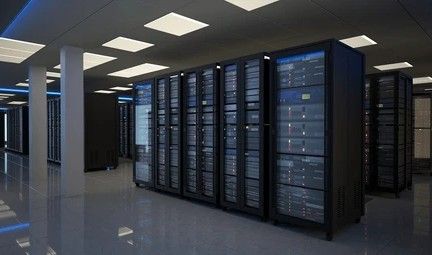
In critical infrastructure environments, the cost of one hour of downtime goes far beyond the technical. It affects customers, contracts, reputation — and in some cases, regulatory obligations. That is why data center management requires more than well-trained teams. It demands a structured, traceable, and continuously evolving operating model.
That was the challenge Taking took on when it assumed full technical support of one of Latin America's largest hyperscale data center operations: a mission-critical infrastructure serving global cloud providers, telecommunications companies, and organizations that depend on continuous availability to run their business.
What is at stake in a mission-critical operation
Hyperscale data center environments leave no room for improvisation. Every component — disk, memory, power supply, fans, batteries, cabling — represents a potential point of failure. And when the environment runs 24x7, the margin for error is zero.
Technical support in these contexts must cover three fronts simultaneously:
- Preventive: anticipating failures before they cause impact, through rounds, alarm monitoring, and control of critical spare parts inventory
- Corrective: responding swiftly to physical and logical incidents, replacing components and restoring services in the shortest possible time
- Evolutionary: standardizing processes, documenting interventions, training teams, and building the foundation for future automation
None of these fronts works in isolation. The efficiency of a mission-critical operation depends on how well they are integrated — and that integrated model is exactly what Taking implemented.
Technical outsourcing with specialized management
The operation was structured with a 100% dedicated team of field analysts and technical leadership, working in a managed services model with 24x7 coverage. More than simply providing skilled labor, Taking assumed full technical and operational management of the environment, acting as the link between internal teams, vendors, and manufacturers.
Activities covered by the operation included:
- Hardware component replacement (disks, memory, power supplies, fans, batteries, and backup tapes)
- Fiber and UTP cabling certification using Fluke DSX-5000 equipment
- Provisioning and deprovisioning of links and management interfaces
- Alarm monitoring, inventory control, and material receiving
- Documentation and traceability through ServiceNow
This structure transformed the support routine into a model of continuous efficiency — with direct gains in availability, security, and operational predictability.
From reactive to intelligent: the operational evolution cycle
One of Taking's key differentiators was a long-term vision of operational maturity. The operation was not designed just to fix problems — it was designed to evolve.
The evolution cycle followed four stages:
Reactive → Preventive → Proactive → Intelligent
At each stage, knowledge generated from previous incidents fed new procedures. Initiatives such as Change Field promoted knowledge sharing among analysts, expanding the team's technical versatility and reducing dependence on isolated specialists.
The deployment of reports and books through ServiceNow established a layer of operational governance and traceability — with automated reports, performance indicators, and a complete history of interventions — turning technical management into a continuous source of insights.
Results: guaranteed uptime and an operation ready to scale
With the operation structured, the main results achieved were:
- Reduced downtime and increased availability of critical services
- A certified and organized environment, ready for safe expansion
- Integrated operation between client teams and partners, with assured SLA and governance
- Operational efficiency sustained by continuous technical management processes
- Greater predictability and reliability across data center operations
Mission-critical infrastructure needs a partner that thinks beyond the ticket
Outsourcing the technical support of a mission-critical data center is not a cost decision — it is a strategic one. The right partner brings methodology, a vision for evolution, and the ability to turn every incident into a learning opportunity.
At Taking, we work with dedicated teams, specialized management, and an ADM (Application and Data Management) model that moves from reactive support to operational intelligence.
Want to understand how we structure mission-critical operations? Talk to our team. → taking.com.br
Related cases
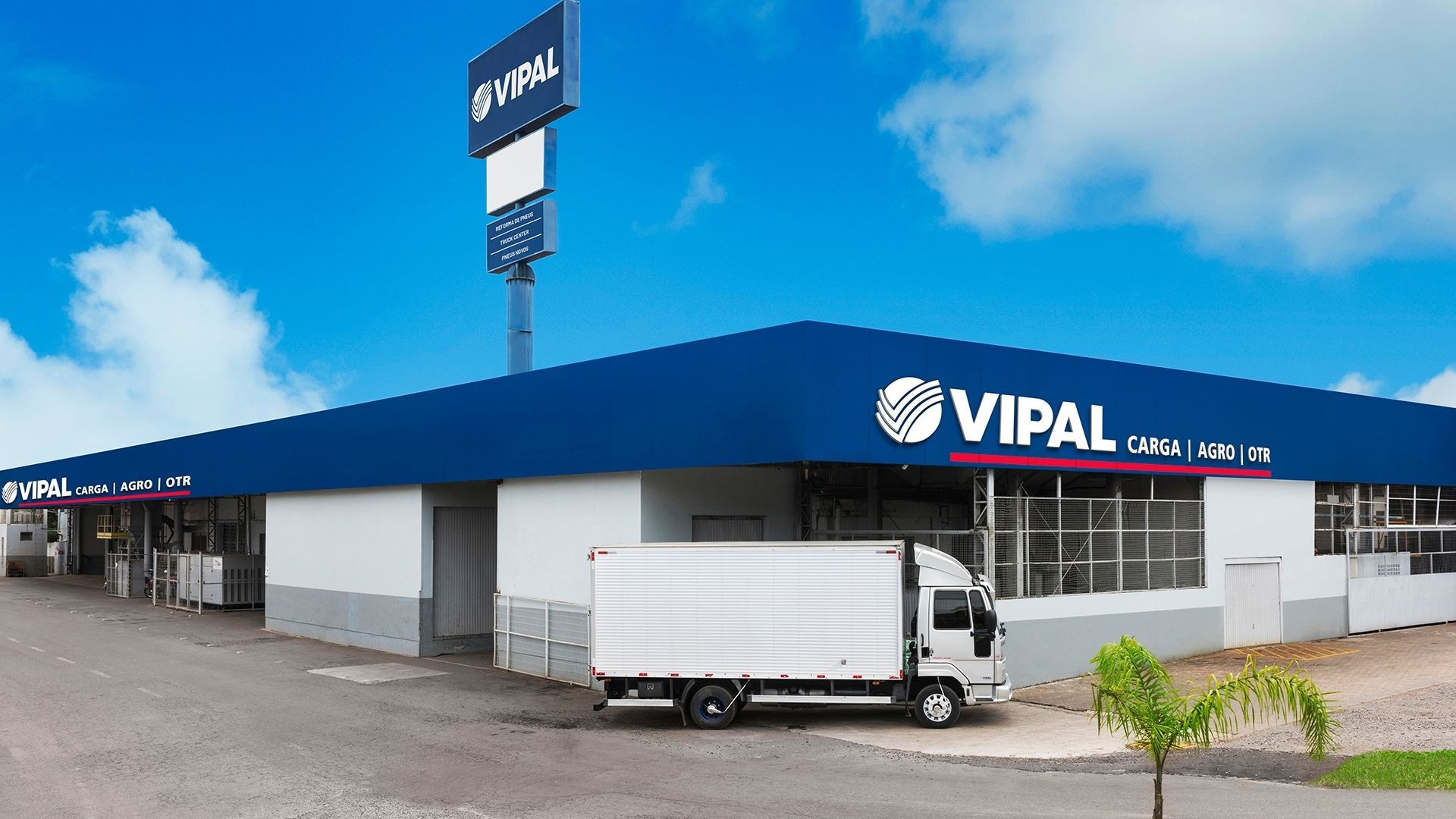
Vipal Borrachas transforms financial management with Oracle EPM Cloud and Taking
With Taking’s support, Vipal Borrachas implemented Oracle EPM Cloud and brought its financial, budgeting and HR data together on a single platform. The result is a faster financial close, automated critical processes and real-time, data-driven decision-making.
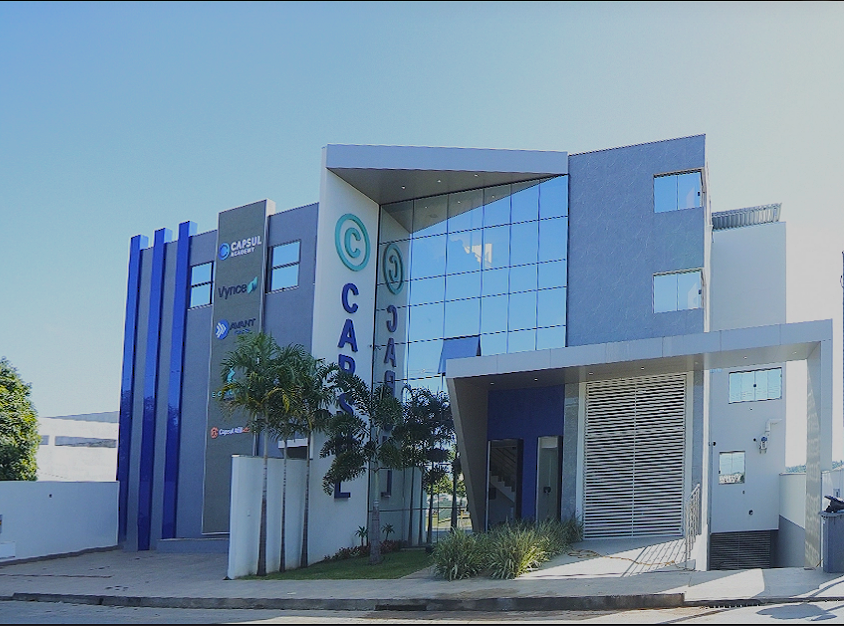
Capsul Brasil Transforms Its Operation with Oracle NetSuite and Taking's Expertise
How Capsul Brasil transformed its manufacturing and tax operations by integrating end-to-end processes through Oracle NetSuite implementation led by Grupo Taking

Financial services leader transformed credit interviews with AI-powered audio analysis
The credit granting process is one of the pillars of financial institutions, but also one of the most sensitive. The combination of fraud risk, regulatory compliance requirements, and efficiency pressure creates a complex environment where decisions must be fast, precise, and fully auditable.